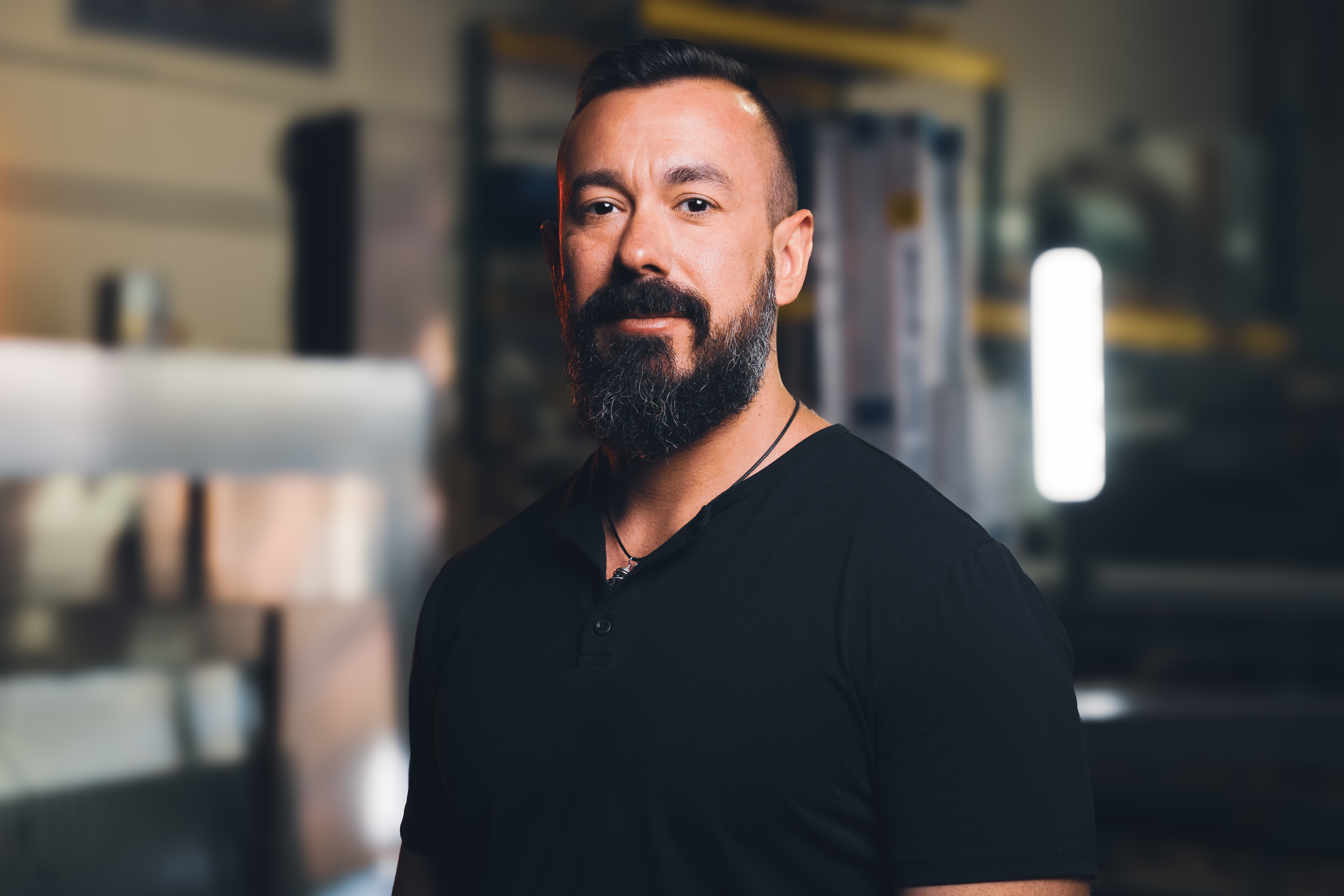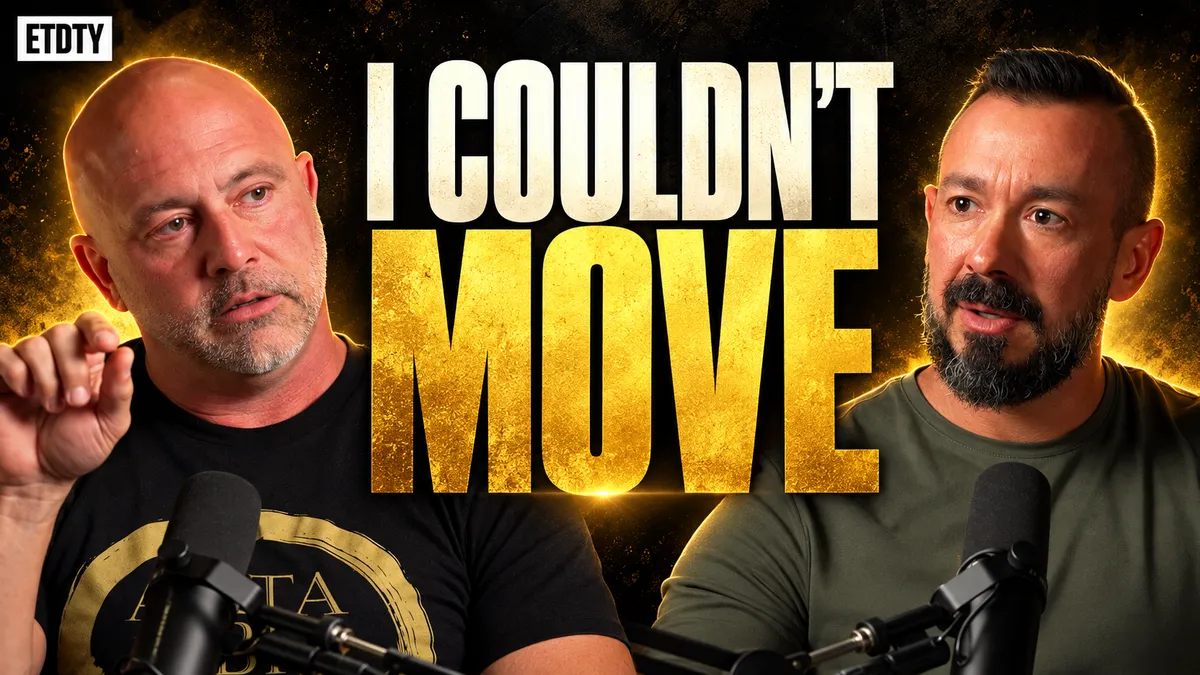
Turning Adversity Into Strength: Marcus Aurelius Anderson
Adversity, Marcus Aurelius Anderson, Spinal Injury Recovery, Gratitude Practice, Identity Transformation, Overcoming Challenges
Turning Adversity Into Your Sharpest Weapon: The Marcus Aurelius Anderson Story
Adversity is not a polite visitor. It crashes through the door, flips your life upside down, and dares you to fight back. Few people embody that fight more fiercely than Marcus Aurelius Anderson—a man who went from paralyzed on a hospital bed to a relentless voice for courage, gratitude, and identity transformation. His story doesn’t whisper comfort. It demands that you rise.
When Everything Breaks: The Day Marcus Hit the Floor
Before the hospital, before the paralysis, Marcus Aurelius Anderson was a warrior in motion. He had joined the U.S. Army later than most, driven by a fierce desire to serve and to test himself. Training pushed him hard, but he pushed harder. That’s what high performers do—until the body finally calls in its debt.
One morning during intense pre-deployment training, Marcus woke up and collapsed. No dramatic slow-motion scene. Just a brutal, non-negotiable drop. His spine had given out. A congenital issue that had been hiding in the background finally detonated. Overnight, he went from combat-ready to completely paralyzed from the neck down. The diagnosis was ruthless: you may never walk again. The future he had trained for was gone in a sentence.
This is where most stories fade into self-pity. But this is where Marcus Aurelius Anderson’s real story begins. If you’re facing your own adversity—financial ruin, heartbreak, illness, failure—this is the part you need to hear. Because what he did next is the blueprint for overcoming challenges that feel impossible.
The Darkest Room in the World: Confronting the Void
Imagine lying flat on your back, unable to move, unable to scratch your own face, unable to escape your own thoughts. No distractions. No scrolling. Just pain, fear, and silence. That was Marcus’s reality after his spinal injury. The doctors had done what they could. The rest, they said, was up to time—and luck. That’s a polite way of saying, “Don’t expect much.”
In that bed, Marcus did what many of us do when adversity hits: he raged. He was angry at life, at fate, at his body, at everything that had been ripped away. His identity had been built on strength, movement, and service. Now he couldn’t even sit up. The gap between who he thought he was and who he had become felt like a chasm he could never cross. That identity crisis is one of the most brutal parts of any spinal injury recovery—and any major life collapse. You don’t just lose abilities. You lose the story you told yourself about who you are.
The Radical Pivot: Choosing Gratitude in Hell
Here’s where Marcus did something most people would consider insane: he chose gratitude. Not after his recovery. Not after a miracle. Right there, in the worst of it, when he still couldn’t move. He realized that anger wasn’t changing his situation. Self-pity wasn’t rebuilding his body. Resentment wasn’t going to get him out of that bed. So he made a ruthless decision—if this adversity was going to stay, he was going to extract every ounce of value from it.
Marcus started a gratitude practice from his hospital bed. Not the fluffy, social-media version. A hard-edged, no-excuses version. He began by being grateful simply to be alive—because paralysis is still better than a folded flag handed to your family. He was grateful for the nurses who turned him so he wouldn’t develop bedsores. Grateful for the pain, because it meant his nervous system was still firing. Grateful for the silence, because it forced him to face himself fully, without escape routes or lies.
💡 Bold Challenge: List three things you’re grateful for in your hardest problem right now. Not after it’s over—inside it. If Marcus could do it while paralyzed, you can do it where you are.
This wasn’t spiritual bypassing. It was a strategic decision. Gratitude shifted his focus from what he couldn’t control to what he could. It turned his adversity from a wall into a weapon. When you practice gratitude in the middle of your storm, you’re not being naive. You’re arming yourself with clarity, energy, and perspective. You’re refusing to let the situation define you.
Spinal Injury Recovery: Inch by Brutal Inch
Gratitude didn’t magically heal Marcus’s spine. There was no cinematic moment where he leapt out of bed. Recovery came slowly, painfully, and without guarantees. He started with the smallest possible victories—a flicker of movement, a twitch in a muscle that had been silent. Each tiny sign of life was treated like a win. That mindset is everything in spinal injury recovery and in any long, grinding battle you’re fighting.
Physical therapy became his new battlefield. Every repetition was a confrontation with limitation. Every failed attempt was an invitation to quit. But he kept showing up, fueled by the idea that adversity was his greatest teacher, not his executioner. Over time, those micro-wins stacked. Movement returned. Strength crawled back. The doctors who had tried to temper his expectations watched him do what they quietly doubted was possible: stand, walk, and eventually rebuild a life beyond the hospital doors.
Here’s the brutal truth: there is no shortcut through adversity. There is only the work. But Marcus’s story proves something powerful—if you are willing to attack each day with ruthless consistency, you can bend even the harshest circumstances in your favor. Not perfectly. Not painlessly. But powerfully.
Identity Transformation: From Broken Soldier to Relentless Teacher
The most dramatic part of Marcus Aurelius Anderson’s journey isn’t just that he walked again. It’s that he refused to walk back into his old identity. The injury didn’t just break his body; it shattered who he thought he was—so he used that break to rebuild himself from the ground up. This is identity transformation in its rawest form: not a rebrand, not a new title on LinkedIn, but a complete rewiring of what you stand for and how you show up in the world.
Marcus realized that if he had survived paralysis, he had a responsibility bigger than his own comfort. He began speaking, coaching, and writing about adversity—not as a distant concept, but as a lived reality. He challenged people to stop waiting for perfect conditions and to start using their hardships as fuel. His message is not soft. It doesn’t coddle you. It tells you, in no uncertain terms, that the obstacle in front of you is not a curse. It’s an invitation to become someone you’ve never been before.
“Adversity isn’t happening to you. It’s happening for you—if you’re bold enough to listen.”
— Inspired by the philosophy of Marcus Aurelius Anderson
That’s the heart of his transformation: he stopped seeing himself as a victim of circumstance and started owning his role as a creator of meaning. His adversity didn’t vanish. It evolved into his mission. That’s the kind of identity shift that doesn’t just change your life—it changes the lives of everyone you touch.
Your Adversity Is Calling You Out
Let’s bring this back to you. You might not be recovering from a spinal injury, but you’re carrying your own battles—debt, divorce, burnout, grief, failure, self-doubt. You’ve got your version of that hospital bed, that moment when everything collapsed. The question is not whether adversity will show up. It already has. The question is what you’re going to do with it now.
Will you let it shrink you, or will you let it sharpen you?
Will you cling to an old identity that no longer fits, or will you build a new one that can carry the weight of your future?
Will you curse your circumstances, or will you mine them for every lesson, every ounce of strength, every drop of wisdom they offer?
📌 Key Takeaway: Adversity is not a detour from your path. It is the path. Treat it like your most demanding coach, not your cruelest enemy.
A Bold Blueprint for Overcoming Challenges, Inspired by Marcus
If you want to apply the lessons from Marcus Aurelius Anderson’s journey, don’t just admire his story—use it. Here’s a simple, unforgiving framework to start turning your own adversity into an advantage:
Face the facts without flinching. Name your adversity clearly. Stop sugarcoating it. Write it down in black and white. You can’t fight what you refuse to see.
Start a ruthless gratitude practice. Every day, list what this challenge is forcing you to develop—patience, resilience, focus, humility, courage. This isn’t about feeling good; it’s about getting strong.
Win in inches, not fantasies. Like Marcus in physical therapy, focus on the next small, hard action: the call, the workout, the conversation, the application, the boundary. Stack tiny wins until momentum becomes undeniable.
Rewrite your identity on purpose. Stop saying, “I’m broken,” “I’m unlucky,” “I’m done.” Start saying, “I’m the kind of person who gets back up,” and then prove it to yourself daily. Identity is built by repeated action, not empty affirmations.
The Final Word: Adversity Isn’t Gentle, and Neither Should You Be
Marcus Aurelius Anderson’s life is proof that adversity can either be the excuse you hide behind or the forge that remakes you. Paralysis tried to end his story. Instead, it rewrote his purpose. Through spinal injury recovery, a relentless gratitude practice, and a complete identity transformation, he turned a nightmare into a mission—and he did it without waiting for permission, guarantees, or perfect conditions.
Your adversity is not asking you to be comfortable. It’s asking you to be courageous. It’s asking you to stop negotiating with your limits and start confronting them. It’s asking you to decide, right now, that you will not be the person who stays on the floor when life knocks you down. You don’t need a miracle. You need a decision—and the discipline to back it up, day after brutal day.
Adversity has already chosen you. The only question left is whether you will choose it back and turn it into your advantage. Like Marcus, you can walk out of your own metaphorical hospital room different—harder, wiser, and dangerously alive. The door is open. Now it’s on you to stand.