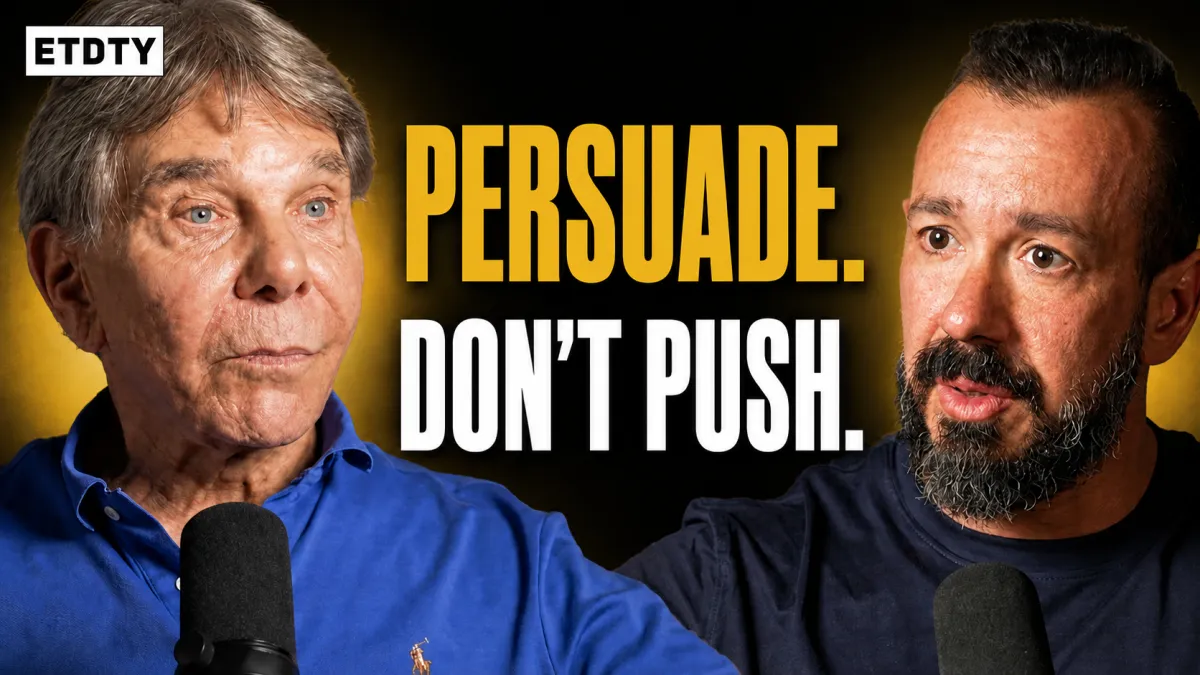
The Psychology Behind Every Yes: Influence Insights
Influence, Psychology Of Persuasion
The Psychology Behind Every Yes: Dr. Robert Cialdini on Influence Without Manipulation
In boardrooms, sales calls, and everyday conversations, decisions are rarely purely logical. They are shaped by subtle psychological triggers that guide people toward yes or no. Dr. Robert Cialdini’s landmark work on Cialdini Influence reveals how these triggers operate—and, crucially, how leaders can use them with integrity. For organizations like Elevate Ethos Consulting, which prioritize trust and long-term relationships, understanding the Psychology Of Persuasion is not about clever tricks. It is about aligning influence with clear values and strong businessethics.
Influence Versus Manipulation: A Critical Distinction
In modern organizations, influence is not optional. Leaders must rally teams, win stakeholder support, and guide clients toward sound decisions. Yet the same psychological levers that enable effective persuasion can also be turned into covert manipulation techniques. Cialdini’s work, grounded in Social Psychology and Behavioral Science, emphasizes that the difference lies in intent and transparency. Ethical Influence seeks mutual benefit and informed consent; manipulation seeks advantage at the other party’s expense, often by obscuring information or exploiting vulnerability.
For senior professionals, this distinction is more than academic. It shapes brand reputation, employee engagement, and legal risk. When influence is aligned with clear businessethics, people feel respected, not pressured. They may still say no—but when they say yes, they are more committed and more likely to stay loyal over time.
The Core Principles of Cialdini Influence
Cialdini identified several universal principles that reliably shape human behavior across cultures. While his original research focused on marketing and compliance, these same levers are central to leadership and organizational communication:
Reciprocity: People feel compelled to return favors and concessions. In a corporate context, this means generous support, fair treatment, and honest feedback often come back as loyalty and discretionary effort.
Commitment and Consistency: Once individuals take a stand publicly, they prefer to act in line with that position. Ethical leaders invite small, voluntary commitments that align with shared values rather than cornering people into agreement.
Social Proof: We look to others—especially peers—for cues on how to behave. Used responsibly, this principle helps teams adopt best practices and reinforces positive norms without overt pressure.
Authority: Expertise and credentials increase trust. However, in an era of information overload, authority must be backed by humility, data, and openness to challenge, not by rigid hierarchy.
Liking: People are more easily persuaded by those they genuinely like and respect. Authentic rapport, shared interests, and attentive listening matter more than scripted small talk.
Scarcity: Perceived rarity increases perceived value. Ethical organizations use this principle to highlight real constraints—limited seats, closing deadlines—without fabricating urgency.
These principles are not scripts; they are lenses. When leaders understand the Psychology Of Persuasion, they can design communication, processes, and experiences that respect how people naturally think and feel, rather than fighting against it or exploiting it.
Ethical Influence in Modern Leadership
Effective leadership today is less about command and control and more about guiding, coaching, and aligning. Here, Cialdini’s insights intersect with modern Behavioral Science to support leaders in three critical ways:
Clarity of intent: Before using any persuasive tool, leaders should ask, “Does this serve the other person’s interests as well as ours?” If the honest answer is no, the approach veers toward manipulation.
Transparency of method: When people understand why a request is being made—what data supports it, which risks were considered—they feel respected, even if they ultimately disagree.
Respect for autonomy: Ethical Influence always preserves the right to say no. Pressure, guilt, and artificial deadlines erode trust and can damage culture long after a short-term yes is secured.
📌 Key Takeaway: In high-trust organizations, influence is not about winning every argument. It is about making it easy for reasonable people to say yes to good decisions.
Recognizing and Disarming Manipulation Techniques
Understanding Cialdini’s principles also equips professionals to recognize when they are being misused. Common manipulation techniques include exaggerated scarcity (“Only three spots left” when that is not true), fake consensus (“Everyone else has already agreed”), or authority appeals that bypass evidence (“This is the CEO’s idea, so we should proceed”). Each tactic leverages genuine insights from Social Psychology while quietly undermining informed choice.
Organizations committed to strong businessethics can build safeguards against such misuse: clear approval processes, data-driven decision standards, and training that explicitly distinguishes Ethical Influence from coercion. Over time, teams learn to ask better questions: “What evidence supports this urgency?” or “Whose interests are we prioritizing with this decision?”
Building a Culture of Ethical Persuasion
Embedding Cialdini’s research into culture is not a one-time workshop; it is an ongoing practice. Leaders model how to present options clearly, acknowledge trade-offs, and invite dissent. Sales teams are trained to use persuasion to clarify value, not to obscure limitations. HR and communications functions collaborate to ensure that internal messaging reflects both the science of influence and the organization’s ethical commitments.
When done well, the result is a workplace where people feel both guided and respected. Decisions become faster because trust is higher. Clients and partners experience consistency between what is promised and what is delivered. In this environment, Cialdini’s principles of Influence are not tools for clever negotiation; they are the behavioral grammar of a mature, values-driven enterprise.
From Theory to Practice: Your Next Step
The most powerful application of Cialdini’s work begins with self-reflection. Where in your role do you routinely ask for a yes—from your team, your peers, or your clients? How might deeper awareness of the Psychology Of Persuasion help you frame those requests more clearly, more respectfully, and more effectively? By combining the rigor of Behavioral Science with a firm commitment to Ethical Influence, leaders can move beyond short-term wins and build the kind of trust that compounds over years.
Ultimately, every yes carries a story: of how the decision was framed, how the person felt, and whether they believed their interests were genuinely considered. Dr. Robert Cialdini’s enduring contribution is to show that we can shape those stories consciously. The choice for today’s leaders is clear—use influence as a hidden lever, or as a visible, principled force for better decisions and stronger relationships.