Peer Support: Bridging Gaps in Addiction Recovery
Addiction Recovery, Peer Support, Mental Health Treatment, Traditional Therapy Gaps, Hamilton Baden, Youturn Health
Addiction Recovery Needs More Than a Couch: How Peer Support Fills the Gaps
Addiction Recovery is not a polite conversation in a quiet office. It is a fight for your life. And for too many people, Traditional Therapy Gaps turn that fight into a lonely, losing battle. Youturn Health, inspired and driven in part by the hard-won experience of Hamilton Baden, is proving there is a tougher, more human way forward: bold, relentless Peer Support that meets people exactly where they are and refuses to let them fail.
The Harsh Truth: Traditional Therapy Leaves Dangerous Gaps
We need to say this plainly: Traditional therapy, on its own, is not enough. Weekly appointments, rigid schedules, and clinical language might look good on paper, but addiction does not wait politely for Thursday at 3 p.m. Cravings hit at midnight. Shame strikes in the shower. Panic erupts in the parking lot at work. That is where many Mental Health Treatment systems simply are not there.
Here are the brutal gaps too many people fall through:
Access is slow and complicated. Intake forms, waitlists, insurance approvals—addiction does not pause while paperwork crawls along.
Support is limited to the session. When the hour ends, the support often ends too, leaving people alone with their triggers and their secrets.
It can feel cold and clinical. A stranger in a white office asking, “How does that make you feel?” can be helpful, but it can also feel distant, especially when your life feels like it’s on fire.
Relapse is treated like failure, not information. Too often, when someone slips, the system backs away instead of leaning in harder.
These Traditional Therapy Gaps are not small cracks; they are canyons. And people are falling into them every single day. Addiction Recovery demands something more fierce, more flexible, and more human than a once-a-week appointment and a stack of handouts.
Why Peer Support Hits Where Traditional Therapy Misses
Peer Support is not a soft add-on to treatment. It is a powerful, battle-tested force in Addiction Recovery. A peer is someone who has been there—who has stared down withdrawal, lied to people they love, relapsed, gotten back up, and done the brutal work of rebuilding. When they say, “I get it,” they are not reciting a script. They are telling the truth.
Credibility you cannot fake. People in crisis can smell judgment and pretense a mile away. A peer’s scars speak louder than any framed degree on the wall.
Support in real time. Peer Support can show up in the moments that matter—when someone is pacing the kitchen at 2 a.m., phone in hand, debating whether to call their dealer or call for help.
Language that cuts through shame. Peers talk straight. They can call out denial, challenge excuses, and still say, “I’m not going anywhere. We’re doing this together.”
Hope that feels real. Seeing someone who has climbed out of the same hole you are in makes recovery feel possible, not theoretical.
💡 Bold Reality Check: For many people, Peer Support is not “extra.” It is the difference between another funeral and another chance.
Hamilton Baden: From Rock Bottom to Relentless Advocate
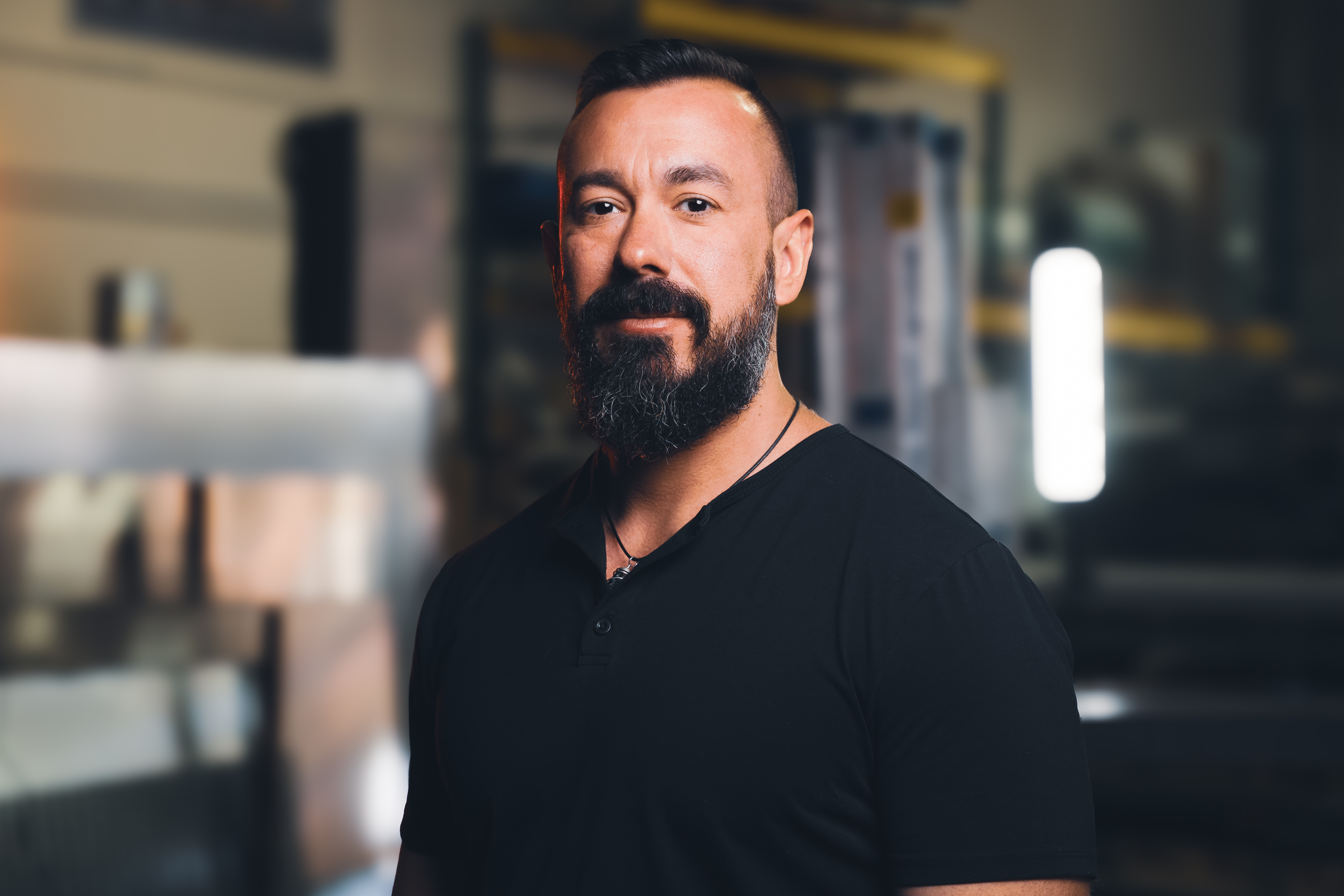
Hamilton Baden’s story is not polished. It is raw, messy, and painfully familiar to anyone who has battled addiction. He did what so many people do: he tried to outrun his pain with substances, tried to hide his struggle behind work, family, and a forced smile. Traditional Mental Health Treatment touched his life, but it did not always catch him when he was falling. The support stopped at the office door, while his cravings followed him home.
What changed everything for Hamilton was not a perfect treatment plan. It was people. People who refused to walk away when he slipped. People who showed up when it was ugly. People who answered the phone when he called, or called when he went silent. That is Peer Support in its purest form—a refusal to give up on someone, even when they have given up on themselves.
Hamilton’s recovery did not move in a straight line. There were relapses, setbacks, and days when hope felt like a cruel joke. But every time, someone was there to say, “You are not starting over from zero. You are starting again, wiser and not alone.” That relentless, human, in-the-trenches support is what shaped his vision for what Addiction Recovery could look like for others.
Youturn Health: Meeting People Where They Are, Not Where We Wish They Were
Youturn Health takes the hard lessons of stories like Hamilton Baden’s and turns them into a bold, practical model for Mental Health Treatment and Addiction Recovery. The approach is simple and radical at the same time: meet people where they are and refuse to let them fail. No sugarcoating. No moralizing. Just relentless, human connection backed by smart tools and real expertise.
Meeting people where they are means:
Emotionally: If someone is angry, numb, ashamed, or in denial, Youturn Health does not wait for them to “get ready.” Peers and coaches step into that emotional space and work from there.
Practically: Life is messy. People have jobs, kids, court dates, and chaos. Youturn Health uses flexible, accessible Peer Support so help can fit into real lives, not the other way around.
Culturally: Addiction does not look the same in every community. Meeting people where they are means respecting their background, beliefs, and reality—not forcing them into a one-size-fits-all script.
📌 Key Takeaway: Youturn Health does not wait for rock bottom. It builds a bridge long before the edge.
“We Refuse to Let You Fail”: A New Standard for Recovery
The most radical part of Youturn Health’s approach is this unapologetic stance: we refuse to let you fail. That does not mean pretending recovery is easy. It means building systems and relationships that do not disappear the moment things get hard. When someone relapses, the response is not, “You blew it.” It is, “Okay. You’re still here. Let’s figure out what happened and go again.”
In practice, that looks like:
Proactive outreach. If someone goes quiet, peers notice. They reach out. They do not wait for a crisis call that might never come.
Nonjudgmental accountability. Peers ask hard questions, but they do it with empathy, not shame. The goal is growth, not punishment.
Integrated support. Peer Support does not replace clinical care; it strengthens it. Youturn Health helps people actually use therapy, medication, and resources instead of drowning in them or walking away.
This is what happens when you treat Addiction Recovery like the urgent, life-or-death mission it is. You stop accepting quiet failures. You stop writing people off. You start building a culture where struggling is expected, asking for help is normal, and giving up is simply not on the table.
The Future of Addiction Recovery Is Human, Not Just Clinical
Traditional therapy still matters. Skilled clinicians, evidence-based practices, and structured Mental Health Treatment are crucial. But without Peer Support, without people like Hamilton Baden who turn their pain into fuel for others, the system will keep losing too many lives in the gaps. The future of Addiction Recovery must be both clinical and fiercely human.
Youturn Health is not waiting for the system to catch up. It is building that future now—one honest conversation, one late-night call, one life at a time. If you are struggling, or if someone you love is drowning in addiction, you deserve more than a brochure and a business card. You deserve people who will stand in the fire with you, who will meet you in your mess, and who will flat-out refuse to let you fail.
💬 Final Word: Recovery is not for the faint of heart. But with relentless Peer Support and bold models like Youturn Health, it does not have to be a lonely fight.