Dylan Capshaw: Start Before Ready Success
Young Entrepreneur, Start Before Ready, Entrepreneurial Mindset
Most People Wait Until They Feel Qualified To Start — Dylan Capshaw Didn’t
Most people spend years collecting certificates, polishing resumes, and waiting for a moment when they finally feel “ready.” Dylan Capshaw, a Young Entrepreneur who built multiple ventures before turning 20, is living proof that the moment never arrives — you create it. His story is a masterclass in the Entrepreneurial Mindset, Business Leadership, and the courage to Start Before Ready.
The 11-Year-Old Who Didn’t Wait For Permission
Picture yourself at 11 years old. Most kids are worried about homework, video games, and who they’ll sit with at lunch. Dylan Capshaw was thinking about his first business. Long before anyone would have called him a “founder,” he was acting like one — asking questions, spotting gaps, and wondering, “Why not me?”
That first venture, launched when he was just 11, wasn’t backed by investors, mentors, or a fancy business plan. It was fueled by curiosity and a simple belief: you don’t need to be qualified on paper to start building something in real life. While adults around him were waiting for the right credentials, Dylan was learning by doing — making small sales, talking to customers, and discovering what worked one imperfect step at a time.
That early decision to move before he felt ready became the foundation of everything that followed. It taught him that action is the ultimate teacher. Experience, not theory, would be his greatest advantage over people twice his age who were still stuck in planning mode.
From One Idea To Multiple Ventures By 20
Starting at 11 gave Dylan something precious: time in the arena. By the time most people were just beginning to think seriously about careers, he had already spent years experimenting with products, brands, and customers. Instead of waiting for a perfect “big idea,” he treated business like a series of experiments — launch, learn, refine, repeat.
By 20, Dylan had built multiple ventures, each one sharpening his instincts and expanding his impact. Some ideas grew, some stalled, and some failed outright — but every attempt added another layer to his skillset. That’s how a teenager can speak the language of strategy, branding, hiring, and operations with the calm of someone far older. He didn’t fast-forward time; he just started earlier than everyone else was willing to.
As his reputation grew, so did recognition. The same mindset that pushed him to start young — to take risks, to think bigger, to act before he felt completely prepared — aligned him with the kind of trajectory you see in lists like Forbes 30 Under 30. Whether or not your name ever appears on a list like that, his path offers a clear message: compounding effort beats delayed perfection every time.
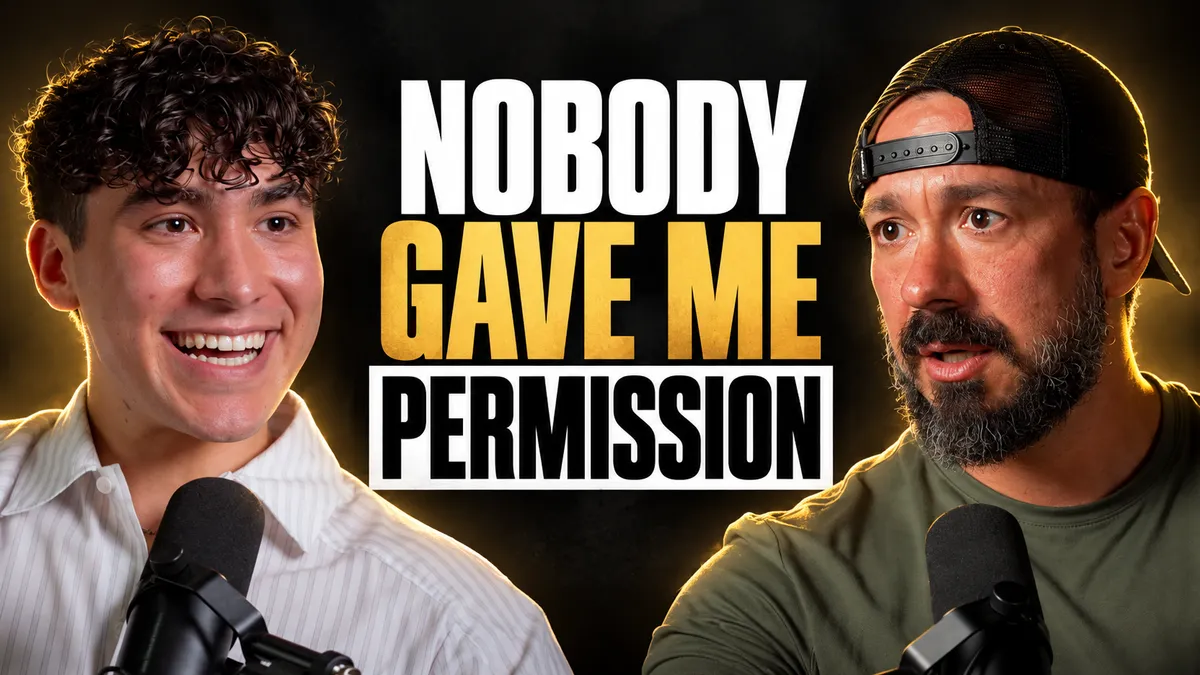
“Nobody Needs Permission To Begin”
One of Dylan Capshaw’s most powerful beliefs is deceptively simple: nobody needs permission to begin. Not from a boss, a teacher, a parent, or a panel of investors. Waiting to be chosen is one of the biggest traps that holds potential founders back. They think opportunity is something handed down, when in reality it’s something you build from the ground up.
Dylan’s story challenges the idea that you must first reach a certain age, earn a specific degree, or collect the right endorsements before you’re “allowed” to try. He proves that starting is what makes you qualified. That’s the essence of the Start Before Ready philosophy: the courage to move forward even when your inner critic is listing all the reasons you’re not enough yet.
💡 Key Takeaway: The people you admire didn’t receive a special invitation to begin. They wrote their own.
Business Leadership At An Unusually Young Age
Building a business is one challenge; leading people inside that business is another. As Dylan’s ventures grew, he had to step into true Business Leadership long before most of his peers were managing anything more than their own schedules. That meant learning how to communicate a vision, make decisions under pressure, and earn the respect of team members who were sometimes older than he was.
His leadership style is rooted in clarity and example. Rather than hiding behind titles, he leans into transparency: sharing goals, numbers, and expectations so everyone knows what they’re building together. He also understands that leadership is less about control and more about creating an environment where others can do their best work. That means clear roles, honest feedback, and the humility to admit when he doesn’t have all the answers yet.
Hiring Practices: Character Over Perfect Resumes
As his companies expanded, Dylan had to make one of the most critical founder decisions: who to hire. Many new entrepreneurs over-index on credentials, chasing impressive job titles and long resumes. Dylan leans into something different — the same mindset that helped him start early shapes the way he builds teams.
He looks for initiative: people who take action without waiting to be told exactly what to do.
He values learning speed over existing expertise, knowing skills can be taught but curiosity can’t.
He prioritizes alignment with the mission so that every hire is rowing in the same direction.
In practice, this means he’s willing to take chances on people the traditional system might overlook — just as he himself was overlooked in the beginning because of his age. His hiring approach reflects a deep belief: potential plus action beats polished credentials without drive. That’s how a Young Entrepreneur builds teams that move quickly, adapt constantly, and share the courage to try new things.
Lessons From Failure: When Starting Early Means Failing Early
Starting before you feel ready doesn’t mean everything goes smoothly. In fact, it almost guarantees that it won’t. Dylan is candid about the lessons from failure along the way — products that didn’t sell, marketing campaigns that fell flat, partnerships that didn’t work out. But instead of treating those as verdicts on his ability, he treated them as data points in a larger experiment.
When an idea failed, he asked better questions: What did I miss about the customer?Where did the execution break down?What can I test differently next time? Failure became feedback, not a full stop. That mindset allowed him to keep moving while others would have retreated back to safety, telling themselves they’d try again “once they were more prepared.”
📌 Key Takeaway: The earlier you start, the earlier you fail — and the earlier you learn the lessons that everyone else keeps postponing.
Taking Action Despite Doubts: The Real Edge Of A Young Entrepreneur
It’s easy to assume that someone like Dylan operates without fear or self-doubt. The truth is the opposite. He has shared that doubts were constant: Am I too young?Will anyone take me seriously?What if this doesn’t work? The difference is not the absence of doubt, but his decision to act anyway.
That’s the heart of the Entrepreneurial Mindset: understanding that courage is not a feeling, it’s a choice. You don’t wait to feel confident before making the call, sending the email, or launching the product. Confidence is the residue of many small acts of bravery stacked over time. Dylan’s journey — from 11-year-old founder to multi-venture leader by 20 — is built on thousands of those tiny, uncomfortable choices to move forward instead of stepping back.
What Dylan Capshaw’s Story Means For Your Next Move
You may not be 11 anymore. You may not see yourself on a future Forbes 30 Under 30 list. That’s not the point. The point is that the same principles that guided Dylan are available to you right now:
Start smaller and sooner than feels comfortable. Your first step doesn’t have to be public or perfect — it just has to be real.
Treat action as your education. Every email, prototype, and conversation with a potential customer teaches you more than another course ever will.
Stop waiting for permission. No one is coming to declare you ready. You become ready by beginning.
Whether you’re launching a side project, building a brand, or stepping into your first leadership role, Dylan Capshaw’s example is a reminder that the gap between where you are and where you want to be is bridged by action, not approval. The world doesn’t need another perfectly qualified dreamer. It needs more people willing to move, learn, and lead before they feel ready.
Most people wait. Dylan didn’t. The question now is simple: will you?